

Hey there! I'm a supplier of the Dust Cleaning System for Exhausted Gas Produced By Biomass. Today, I wanna chat about how to integrate this system with other systems.
Why Integration Matters
First off, let's talk about why integrating the dust cleaning system for biomass - exhausted gas is so important. Biomass energy is getting more and more popular these days. It's a renewable energy source, which is great for the environment. But when we burn biomass to generate energy, it produces exhaust gas with dust particles and other pollutants. If we don't clean this gas properly, it can harm the environment and people's health.
Integrating the dust - cleaning system with other systems can improve the overall efficiency of the whole energy - production process. For example, integrating it with the power generation system can ensure that the exhaust gas doesn't cause damage to the power - generation equipment. Also, it can work in harmony with the heating system in some cases, making sure that the heat generated from biomass burning is used effectively while the exhaust gas is being cleaned.

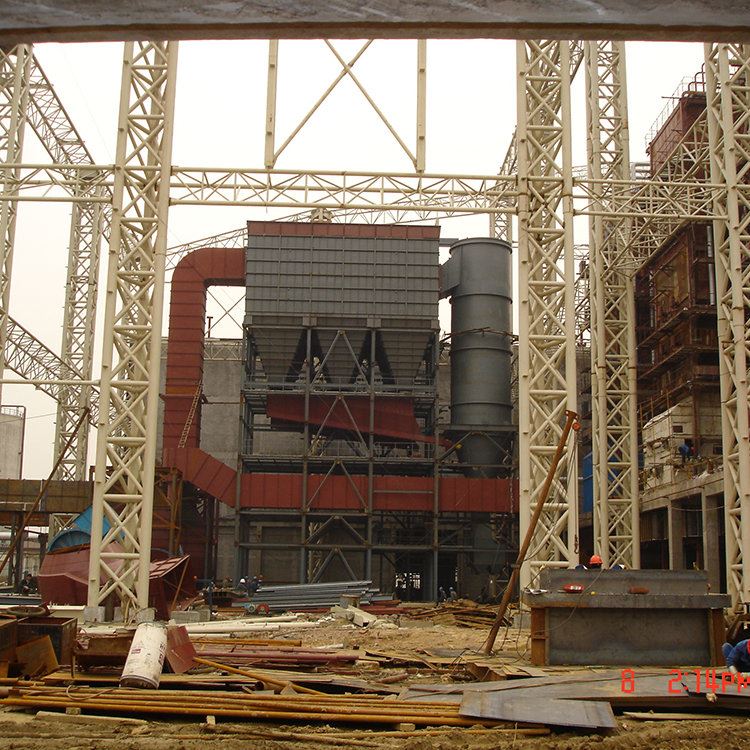
Understanding the Biomass Dust Cleaning System
Before we dive into integration, let's quickly understand the Dust Cleaning System for Exhausted Gas Produced By Biomass. It's designed specifically to capture and remove dust and other harmful particles from the exhaust gas produced when biomass is burned. You can learn more about our Dust Cleaning System for Exhausted Gas Produced By Biomass on our website.
This system usually consists of several key components. There are filters that trap the dust particles. Some systems also use electrostatic precipitators, which use an electric charge to attract and collect the dust. The system also has a control unit that monitors and adjusts the cleaning process to ensure optimal performance.
Integration with Power Generation Systems
One of the most common integrations is with power generation systems. Biomass power plants are becoming more widespread as a sustainable energy solution. When integrating the dust - cleaning system with a power - generation system, the first step is to determine the right location for the dust - cleaning unit. It should be placed in a position where it can easily receive the exhaust gas from the power - generation equipment, usually right after the combustion chamber.
The control systems of the dust - cleaning unit and the power - generation system need to be connected. This allows for real - time monitoring and adjustment. For example, if the power - generation system ramps up production, the dust - cleaning system can automatically increase its cleaning capacity to handle the higher volume of exhaust gas.
Another aspect is the maintenance of the integrated system. Regular checks should be carried out on both the power - generation equipment and the dust - cleaning system to ensure that they are working properly. This can prevent breakdowns and extend the lifespan of the equipment.
Integration with Heating Systems
In some industrial and residential settings, biomass is used for heating. Integrating the dust - cleaning system with the heating system is also crucial. When biomass is burned in a heating boiler, the exhaust gas needs to be cleaned before it's released into the environment.
The dust - cleaning system can be integrated directly into the heating system's exhaust pipe. This way, the exhaust gas passes through the cleaning unit on its way out. The heat from the exhaust gas can also be recovered in some cases. For example, a heat exchanger can be installed in the dust - cleaning system to transfer some of the heat back to the heating system, increasing energy efficiency.
Just like with the power - generation system, the control of the dust - cleaning system and the heating system should be coordinated. This ensures that the cleaning process is adjusted according to the heating demand. If more heat is needed, the dust - cleaning system can handle the increased exhaust - gas volume.
Integration with Waste Management Systems
Biomass waste is often a by - product of various industries, such as agriculture and forestry. Integrating the dust - cleaning system with waste management systems can be very beneficial. The dust - cleaning system can be part of a larger waste - treatment process.
When biomass waste is incinerated as part of waste management, the exhaust gas needs to be cleaned. Our Dust Cleaning System for Exhausted Gas Produced By Waste Incineration can be integrated into this process. It can work in tandem with other waste - treatment equipment, such as shredders and conveyors.
The waste - management system can provide information about the type and quantity of biomass waste being incinerated. Based on this information, the dust - cleaning system can adjust its cleaning parameters. For example, if the waste has a higher dust content, the system can increase the intensity of the cleaning process.
Challenges in Integration
Of course, integrating the dust - cleaning system with other systems isn't always a walk in the park. One of the main challenges is the difference in operating conditions between the dust - cleaning system and other systems. For example, the power - generation system may operate at high temperatures, while the dust - cleaning system has its own optimal temperature range. Finding a way to make them work together under these different conditions is crucial.
Another challenge is the compatibility of the control systems. Different systems may use different control protocols. This requires some technical work to ensure that the systems can communicate effectively with each other.
There's also the issue of space. In some industrial settings, space is limited. Finding the right layout to integrate the dust - cleaning system with other systems without causing overcrowding can be difficult.
Solutions to Integration Challenges
To overcome the operating - condition challenge, we can use heat - resistant materials in the dust - cleaning system if it needs to be integrated with high - temperature systems. Also, proper insulation can be installed to protect the dust - cleaning components from extreme temperatures.
For the control - system compatibility issue, we can use a middleware or a gateway device. This device can translate the different control protocols and allow the systems to communicate with each other.
When it comes to the space problem, modular designs can be used for the dust - cleaning system. These modular units can be easily configured and installed in a limited space, allowing for a more flexible integration.
Integration with Hazardous Waste Systems
In some cases, biomass waste may be mixed with hazardous waste. Integrating the dust - cleaning system with a hazardous - waste treatment system is a more complex but important task. Our Dust Cleaning System for Exhausted Gas Produced By Hazardous Waste is designed to handle such situations.
When integrating with a hazardous - waste system, additional safety measures need to be taken. The dust - cleaning system should be able to handle the more toxic and hazardous particles in the exhaust gas. Special filters and cleaning mechanisms may be required.
The control and monitoring of the integrated system are also more stringent. Regular testing should be carried out to ensure that the exhaust gas meets the strict environmental standards for hazardous - waste treatment.
Conclusion
Integrating the dust - cleaning system for exhausted gas produced by biomass with other systems is a complex but rewarding task. It can improve the efficiency of energy production, reduce environmental impact, and extend the lifespan of equipment. Whether it's integrating with power - generation systems, heating systems, waste - management systems, or hazardous - waste systems, careful planning and technical expertise are required.
If you're interested in our Dust Cleaning System for Exhausted Gas Produced By Biomass and want to discuss how it can be integrated with your existing systems, feel free to reach out to us. We're here to help you find the best integration solution for your specific needs.
References
- Biomass Energy Handbook: Principles and Applications.
- Industrial Dust Control: Design, Operation, and Maintenance.
- Waste-to-Energy Technologies and Their Environmental Impact.