

Hey there! I'm a supplier of the Dust Cleaning System for Sinter Plants, and I've been in this business for quite a while. Over the years, I've seen firsthand how important it is to improve the energy efficiency of these systems. Not only does it save money, but it's also better for the environment. So, in this blog post, I'm going to share some tips on how to make your sinter plant's dust cleaning system more energy - efficient.
Understanding the Basics of Sinter Plant Dust Cleaning Systems
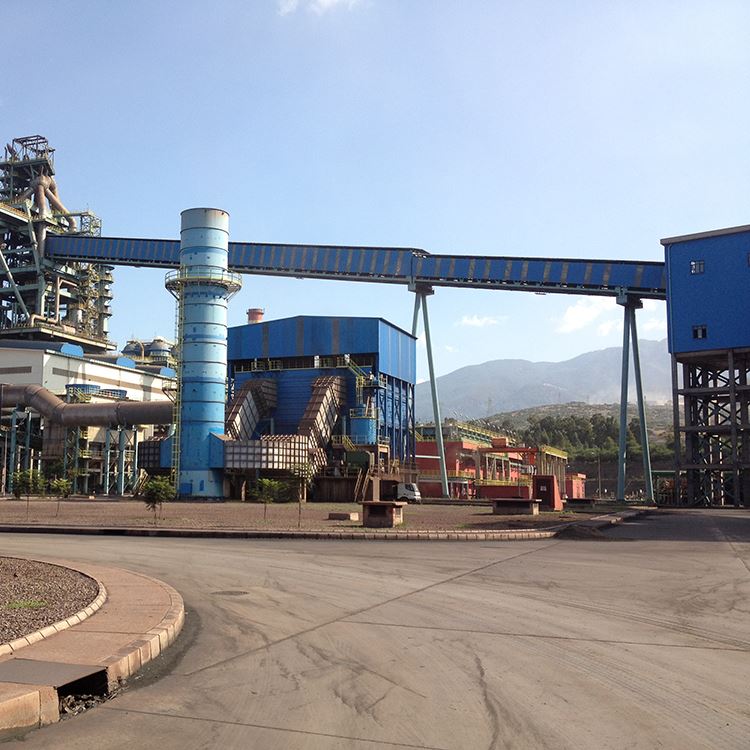
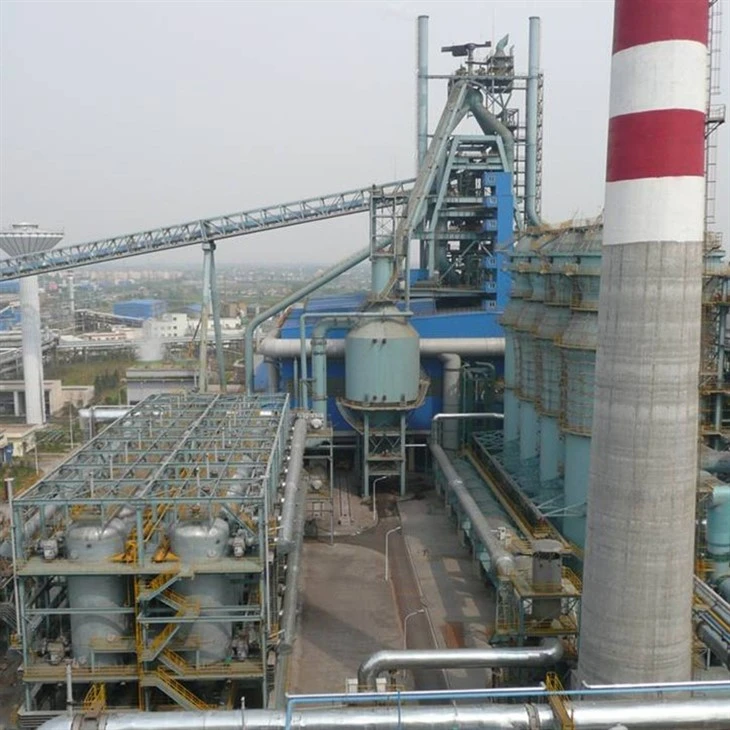
Before we dive into the energy - saving tips, let's quickly go over how a typical dust cleaning system for sinter plants works. These systems are designed to capture and remove dust particles generated during the sintering process. The main components usually include dust collectors, fans, ducts, and control systems. The dust collectors are responsible for trapping the dust, while the fans create the airflow needed to move the dust - laden air through the system.
1. Optimize the Fan Operation
One of the biggest energy consumers in a dust cleaning system is the fan. Fans use a significant amount of electricity to move air through the ducts and into the dust collectors. To improve energy efficiency, you can start by optimizing the fan operation.
- Proper Sizing: Make sure the fan is properly sized for your sinter plant's specific needs. An oversized fan will consume more energy than necessary, while an undersized fan won't be able to provide enough airflow. You can consult with an expert to determine the right fan size based on factors like the volume of dust, the size of the sinter plant, and the ductwork layout.
- Variable Frequency Drives (VFDs): Installing VFDs on your fans can be a game - changer. VFDs allow you to adjust the fan speed according to the actual demand. For example, during periods of low dust generation, the fan can run at a lower speed, consuming less energy. When the dust levels increase, the fan speed can be ramped up. This way, you're not using more energy than required at any given time.
2. Maintain the Dust Collectors
Dust collectors play a crucial role in the dust cleaning system, and their proper maintenance is essential for energy efficiency.
- Regular Cleaning: Dust collectors can become clogged with dust over time, which restricts the airflow and forces the fans to work harder. Regularly clean the dust collectors to ensure they're operating at peak efficiency. This can involve techniques like pulse - jet cleaning or mechanical shaking, depending on the type of dust collector you have.
- Filter Replacement: Replace the filters in the dust collectors when they're worn out or clogged. Old or damaged filters can reduce the collection efficiency and increase the energy consumption of the system. Make sure to use high - quality filters that are suitable for the type of dust in your sinter plant.
3. Seal the Ductwork
Leaky ductwork can cause a significant loss of energy in the dust cleaning system. When air leaks out of the ducts, the fans have to work harder to maintain the required airflow.
- Inspect for Leaks: Regularly inspect the ductwork for any signs of leaks, such as loose connections, holes, or cracks. You can use techniques like smoke testing or pressure testing to identify the leaks.
- Seal the Leaks: Once you've identified the leaks, seal them using appropriate sealing materials. This can help to reduce the energy consumption of the system by ensuring that all the air is being directed through the dust collectors.
4. Implement Smart Control Systems
Modern smart control systems can greatly improve the energy efficiency of the dust cleaning system.
- Automated Monitoring: Use sensors to monitor the dust levels, airflow, and pressure in the system. These sensors can provide real - time data, which can be used to adjust the operation of the fans and other components automatically. For example, if the dust levels are low, the system can reduce the fan speed.
- Predictive Maintenance: Smart control systems can also help with predictive maintenance. By analyzing the data from the sensors, the system can predict when components are likely to fail and schedule maintenance before a breakdown occurs. This can prevent costly downtime and ensure that the system is always operating at its most energy - efficient level.
5. Consider Energy - Efficient Equipment Upgrades
If your dust cleaning system is old, it might be worth considering upgrading to more energy - efficient equipment.
- High - Efficiency Fans: Newer fans are designed to be more energy - efficient than older models. They use advanced aerodynamics and motor technologies to reduce energy consumption while still providing the required airflow.
- Advanced Dust Collectors: There are also advanced dust collectors available on the market that offer higher collection efficiency and lower energy consumption. These collectors use innovative designs and materials to capture dust more effectively with less energy.
Our Other Dust Cleaning Systems
If you're also involved in other aspects of the metallurgy industry, we also offer Dust Cleaning System for Coke Ovens and Dust Cleaning System for Blast Furnaces. These systems are designed with the same focus on energy efficiency and high - performance dust removal.
Conclusion
Improving the energy efficiency of the dust cleaning system for sinter plants is not only beneficial for your bottom line but also for the environment. By optimizing fan operation, maintaining the dust collectors, sealing the ductwork, implementing smart control systems, and considering equipment upgrades, you can significantly reduce the energy consumption of your system.
If you're interested in learning more about our Dust Cleaning System for Sinter Plants or have any questions about improving energy efficiency, feel free to reach out. We're here to help you make your sinter plant more sustainable and cost - effective.
References
- "Energy - Efficient Industrial Ventilation Systems" by the Industrial Ventilation Society
- "Handbook of Dust Collection Systems" by McGraw - Hill Professional