

Evaluating the effectiveness of a dust cleaning system for the exhausted gas produced by waste incineration is a multifaceted and critical task. As a supplier of the Dust Cleaning System for Exhausted Gas Produced By Waste Incineration, I understand the importance of a comprehensive evaluation to ensure that the system meets the required standards and effectively reduces environmental impact.
Key Performance Indicators (KPIs)
Dust Removal Efficiency
One of the most fundamental KPIs for evaluating a dust cleaning system is its dust removal efficiency. This metric measures the percentage of dust particles that the system can remove from the exhaust gas. High - efficiency dust removal is crucial as waste incineration exhaust contains various harmful particulate matter, such as heavy metals and dioxins, which can have severe health and environmental consequences if released into the atmosphere.
To calculate the dust removal efficiency, we typically measure the dust concentration at the inlet and outlet of the dust cleaning system. The formula for dust removal efficiency ((\eta)) is:
(\eta=\frac{C_{in}-C_{out}}{C_{in}}\times100%)
where (C_{in}) is the dust concentration at the inlet of the system, and (C_{out}) is the dust concentration at the outlet. A well - functioning dust cleaning system should have a high dust removal efficiency, often aiming for over 99% depending on the regulatory requirements.
Emission Concentration
The emission concentration of pollutants in the exhaust gas after passing through the dust cleaning system is another vital indicator. In addition to dust particles, waste incineration exhaust may contain other pollutants such as sulfur dioxide ((SO_{2})), nitrogen oxides ((NO_{x})), and carbon monoxide (CO). Regulatory bodies set strict limits on the allowable emission concentrations of these pollutants.
Regular monitoring of the emission concentration is necessary to ensure compliance. This can be done using continuous emission monitoring systems (CEMS) that provide real - time data on the pollutant levels. If the emission concentration exceeds the regulatory limits, it indicates that the dust cleaning system may not be functioning effectively, and adjustments or upgrades may be required.
Pressure Drop
Pressure drop across the dust cleaning system is an important parameter that reflects the system's energy consumption and operational performance. A significant pressure drop means that the system requires more energy to push the exhaust gas through, which can increase operating costs.
During the operation of the dust cleaning system, the pressure drop may increase over time due to factors such as dust accumulation on the filter media. Therefore, it is necessary to monitor the pressure drop regularly. If the pressure drop exceeds the normal range, it may be a sign of filter blockage or other problems, and timely maintenance or filter replacement should be carried out.
Operational and Maintenance Factors
System Reliability
The reliability of the dust cleaning system is crucial for continuous and stable operation. A reliable system should have a low failure rate and be able to operate continuously for long periods without major breakdowns. This requires high - quality components, proper design, and regular maintenance.
When evaluating the system's reliability, we can consider factors such as the mean time between failures (MTBF) and the mean time to repair (MTTR). A high MTBF and a low MTTR indicate a more reliable system. Additionally, redundant design and backup systems can be incorporated to improve the system's reliability in case of component failures.
Maintenance Requirements
Proper maintenance is essential for the long - term effectiveness of the dust cleaning system. Different types of dust cleaning systems have different maintenance requirements. For example, a bag - filter system requires regular inspection and replacement of filter bags, while an electrostatic precipitator needs to be cleaned regularly to remove dust deposits on the electrodes.
A well - designed dust cleaning system should have clear and easy - to - follow maintenance procedures. The frequency of maintenance should be optimized to balance the need for system performance and cost - effectiveness. Regular maintenance can not only ensure the system's effectiveness but also extend its service life.
Environmental and Social Impact
Environmental Benefits
An effective dust cleaning system for waste incineration exhaust gas can bring significant environmental benefits. By reducing the emission of dust particles and other pollutants, it helps to improve air quality, reduce the risk of acid rain, and protect the ozone layer. It also contributes to the overall reduction of environmental pollution and the protection of ecosystems.

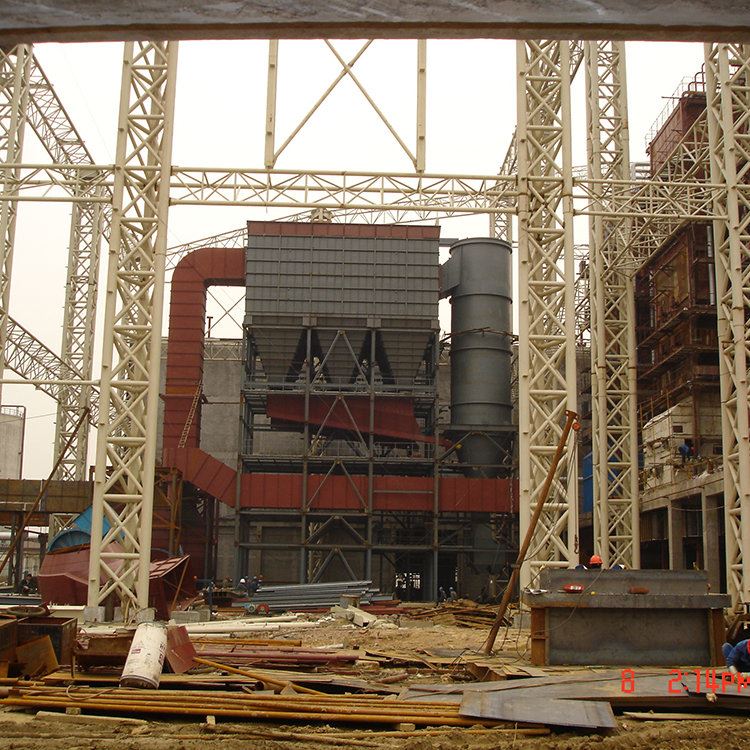
In addition, the proper treatment of waste incineration exhaust gas can help to reduce the negative impact on nearby communities. This can improve the relationship between waste incineration plants and local residents, which is beneficial for the sustainable development of the waste management industry.
Social Acceptance
The social acceptance of the waste incineration plant and its dust cleaning system is also an important aspect. A well - performing dust cleaning system can enhance the public's confidence in the waste incineration process. When the public sees that the plant is effectively controlling pollutant emissions, they are more likely to support the operation of the plant.
To improve social acceptance, waste incineration plants can be more transparent about their environmental protection measures, including the performance of the dust cleaning system. Regularly publishing environmental monitoring data and organizing public outreach activities can help to build trust with the local community.
Advanced Evaluation Methods
Computational Fluid Dynamics (CFD)
Computational Fluid Dynamics (CFD) is an advanced simulation technology that can be used to evaluate the performance of the dust cleaning system. CFD can simulate the flow of exhaust gas within the system, the distribution of dust particles, and the interaction between the gas and the cleaning components.
By using CFD, we can optimize the design of the dust cleaning system, such as the shape and layout of the ducts, the arrangement of the filter media, and the position of the inlet and outlet. This can improve the dust removal efficiency and reduce the pressure drop of the system.
Life Cycle Assessment (LCA)
Life Cycle Assessment (LCA) is a comprehensive method for evaluating the environmental impact of a product or system throughout its entire life cycle, from raw material extraction to end - of - life disposal. For a dust cleaning system, LCA can consider factors such as the energy consumption during operation, the environmental impact of the manufacturing process, and the disposal of waste components.
LCA can help us to identify the environmental hotspots in the life cycle of the dust cleaning system and develop strategies to reduce its overall environmental impact. This can lead to more sustainable design and operation of the system.
Conclusion
Evaluating the effectiveness of a dust cleaning system for waste incineration exhaust gas is a complex but necessary process. By considering key performance indicators, operational and maintenance factors, environmental and social impacts, and using advanced evaluation methods, we can ensure that the system meets the required standards and effectively reduces the environmental impact of waste incineration.
As a supplier of the Dust Cleaning System for Exhausted Gas Produced By Waste Incineration, we are committed to providing high - quality systems and comprehensive evaluation services. Our systems are designed to achieve high dust removal efficiency, low emission concentration, and reliable operation. We also offer customized solutions based on the specific needs of different waste incineration plants.
If you are interested in our Dust Cleaning System for Exhausted Gas Produced By Waste Incineration or need more information about system evaluation, please feel free to contact us for procurement and negotiation. We look forward to working with you to contribute to a cleaner and more sustainable environment.
References
- "Air Pollution Control: A Design Approach", Fourth Edition, by John C. Crittenden, Richard T. Malina, and George Tchobanoglous.
- "Waste Incineration and Public Health", edited by John A. Harrison and John A. Spurgeon.
- "Computational Fluid Dynamics: An Introduction", by John D. Anderson, Jr.