

Hey there! As a supplier of Dust Cleaning System for Sinter Plants, I've often been asked about how our systems work, especially in high - altitude areas. So, let's dive right into it.
First off, let's understand what a sinter plant is. Sinter plants are a crucial part of the iron - making process. They take fine iron ore, coke breeze, limestone, and other additives, and through a process of ignition and sintering, turn them into larger agglomerates called sinter. This sinter is then used in blast furnaces to produce iron. But here's the catch - this process generates a ton of dust. And that's where our dust cleaning systems come in.
Now, high - altitude areas bring their own set of challenges. The air density is lower, the oxygen content is reduced, and the temperature can vary quite a bit. So, how does our dust cleaning system adapt to these conditions?
The Basics of a Dust Cleaning System for Sinter Plants
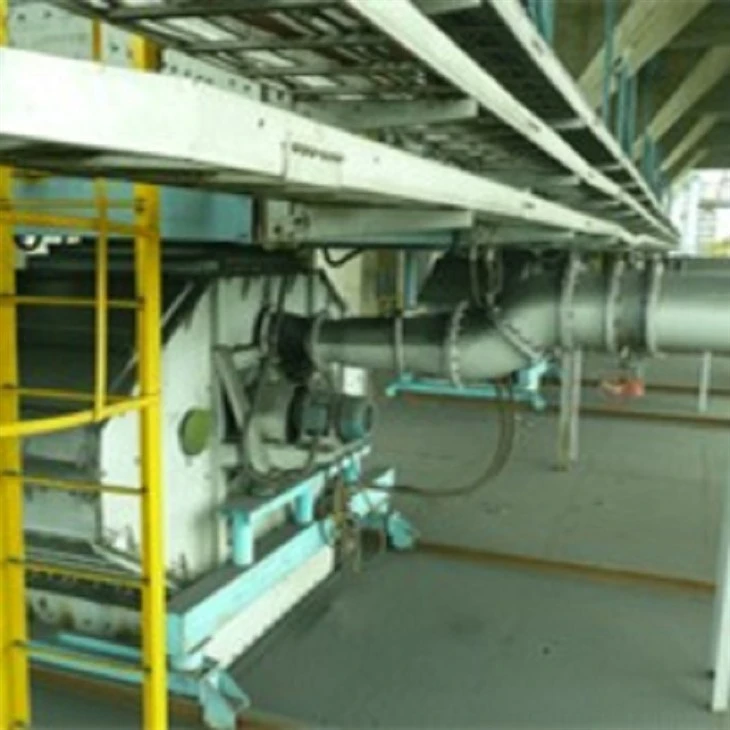
Our dust cleaning systems for sinter plants generally consist of several key components: dust collectors, fans, ductwork, and control systems.
The dust collectors are the heart of the system. They're designed to capture and remove dust particles from the gas stream. There are different types of dust collectors we use, such as bag filters and electrostatic precipitators. Bag filters work by passing the dusty gas through a series of fabric bags. The dust particles get trapped on the surface of the bags, and the clean gas passes through. Electrostatic precipitators, on the other hand, use an electrostatic charge to attract and collect dust particles.
The fans are responsible for creating the airflow that moves the dusty gas through the system. They need to be powerful enough to overcome the resistance in the ductwork and the dust collectors. The ductwork is like the plumbing of the system, guiding the gas from the source (the sinter plant) to the dust collectors and then out to the atmosphere.
The control system is what keeps everything running smoothly. It monitors the pressure, temperature, and other parameters of the system and adjusts the operation of the fans and other components as needed.
Adapting to High - Altitude Conditions
Air Density and Fan Performance
In high - altitude areas, the lower air density means that the fans need to work harder to move the same volume of gas. The reduced air density also affects the efficiency of the dust collectors. For example, in a bag filter, the lower air density can lead to a decrease in the filtration velocity, which might seem like a good thing at first. But if the filtration velocity is too low, it can cause problems with dust cake formation and cleaning.
To address these issues, we select fans that are specifically designed for high - altitude operation. These fans have larger impellers and more powerful motors to compensate for the lower air density. We also adjust the design of the dust collectors to ensure that they can operate efficiently in these conditions. For example, we might increase the number of filter bags in a bag filter or adjust the electrode spacing in an electrostatic precipitator.
Oxygen Content
The reduced oxygen content in high - altitude areas can affect the combustion process in the sinter plant. This can lead to changes in the characteristics of the dust, such as its particle size distribution and chemical composition. Our dust cleaning systems are designed to be flexible enough to handle these variations.
We use advanced sensors in our control systems to monitor the composition of the gas stream. Based on the data from these sensors, we can adjust the operation of the dust collectors to ensure that they can effectively capture the dust. For example, if the dust has a higher proportion of fine particles, we might increase the frequency of the bag cleaning in a bag filter.
Temperature Variations
High - altitude areas often experience large temperature variations between day and night. These temperature changes can cause the ductwork to expand and contract, which can lead to leaks and other problems. To prevent this, we use flexible ductwork materials that can withstand these temperature variations.
The temperature also affects the performance of the dust collectors. For example, in a bag filter, if the temperature is too high, the filter bags can be damaged. We use temperature - resistant filter materials and install temperature sensors in the system to monitor the gas temperature. If the temperature gets too high, the control system can take action, such as adjusting the airflow or diverting the gas to a cooling system.
Other Considerations
In addition to the technical challenges, there are also logistical and environmental considerations when installing and operating a dust cleaning system in high - altitude areas.
Transporting the equipment to high - altitude sites can be difficult and expensive. We work closely with our customers to plan the transportation and installation process carefully. We also ensure that our equipment is modular and easy to assemble on - site.

From an environmental perspective, high - altitude areas are often ecologically sensitive. Our dust cleaning systems are designed to be as energy - efficient as possible to reduce their environmental impact. We also comply with all local environmental regulations to ensure that our systems don't cause any harm to the surrounding ecosystem.
Related Dust Cleaning Systems
If you're also interested in dust cleaning systems for other parts of the metallurgy industry, we have some great options. Check out our Dust Cleaning System for Induction Furnaces, Dust Cleaning System for Coke Ovens, and Dust Cleaning System for Raw Materials.
Conclusion
In conclusion, our dust cleaning systems for sinter plants are designed to be highly adaptable to the unique conditions of high - altitude areas. By carefully selecting and designing the components of the system and using advanced control technology, we can ensure that the system operates efficiently and effectively, even in the most challenging environments.
If you're in the market for a dust cleaning system for your sinter plant, especially in a high - altitude area, we'd love to talk to you. We have the expertise and experience to provide you with a customized solution that meets your specific needs. So, don't hesitate to reach out and start a conversation about your requirements.
References
- Perry, R. H., & Green, D. W. (1997). Perry's Chemical Engineers' Handbook. McGraw - Hill.
- American Conference of Governmental Industrial Hygienists (ACGIH). (2019). Industrial Ventilation: A Manual of Recommended Practice.