

Hey there! I'm a supplier of Dust Cleaning Systems for Sinter Plants, and I'm super stoked to share with you how our system interacts with other equipment in a sinter plant.
First off, let's talk about what a sinter plant does. Sinter plants are a key part of the iron - making process. They take fine iron ore, coke breeze, limestone, and other additives and turn them into sinter, which is a lumpy material that's easier to handle in a blast furnace. But this process generates a ton of dust, and that's where our dust cleaning system comes in.
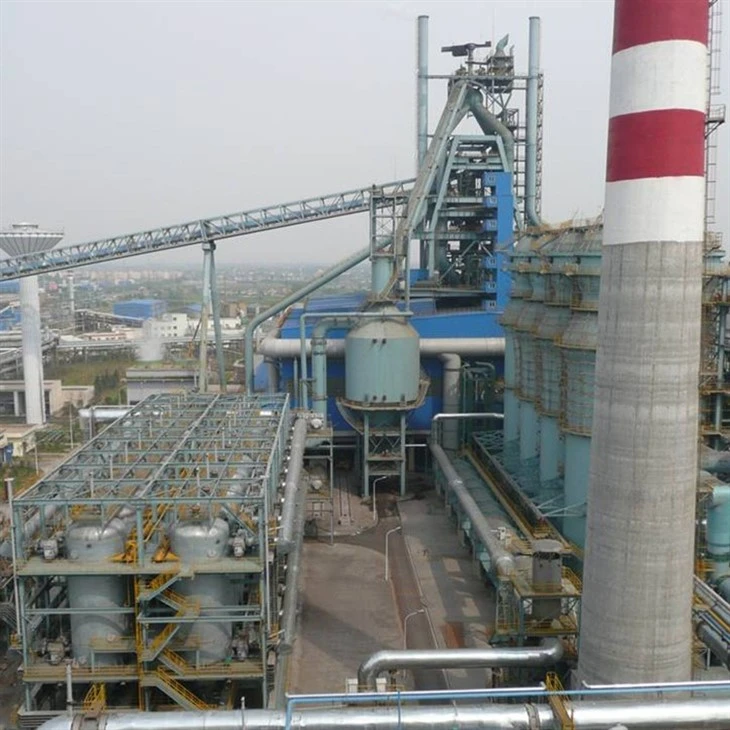

Interaction with the Sinter Machine
The sinter machine is the heart of the sinter plant. It's where the sintering process actually happens. As the materials move along the sinter machine, they're ignited, and a combustion wave moves through the bed. This process releases a large amount of dust - laden gas.
Our dust cleaning system is directly connected to the sinter machine's exhaust ports. It captures the dust - laden gas right at the source. The gas is then transported through a network of ducts to the cleaning unit. The connection between the sinter machine and our system is crucial. If there are any leaks in the ducts or improper sealing at the exhaust ports, it can lead to dust escaping into the environment, which is not only bad for the air quality but also a waste of valuable materials.
Interaction with the Cooler
After the sinter is formed on the sinter machine, it needs to be cooled down. The cooler is used for this purpose. During the cooling process, more dust is generated as the hot sinter is cooled rapidly.
Our dust cleaning system also interfaces with the cooler. It captures the dust released during the cooling process. We've designed our system to handle the high - temperature gas coming from the cooler. Special heat - resistant materials are used in the ducts and the cleaning unit to ensure its durability. The dust collected from the cooler is then separated and can be recycled back into the sintering process, which is a great way to save on raw materials.
Interaction with the Conveyor Systems
Conveyor systems are used to transport the raw materials to the sinter machine and the finished sinter to the blast furnace or other storage areas. These conveyors can be a significant source of dust emissions, especially when the materials are being transferred from one conveyor to another or when they're being loaded or unloaded.
Our dust cleaning system is integrated with the conveyor systems. We install dust collection hoods above the conveyor transfer points. These hoods capture the dust that's kicked up during the material transfer. The dust is then sent to the cleaning unit. This not only helps in keeping the plant environment clean but also reduces the risk of dust - related health issues for the workers.
Interaction with Other Related Equipment
Interaction with the Mixer
The mixer is used to blend the raw materials before they are fed into the sinter machine. During the mixing process, dust can be generated as the materials are being agitated. Our system is connected to the mixer's exhaust. It sucks in the dust - laden air from the mixer, ensuring that the mixing area remains dust - free.
Interaction with the Screening Equipment
After the sinter is produced, it needs to be screened to separate the different sizes of sinter particles. The screening equipment can also generate a lot of dust. Our dust cleaning system is connected to the screening equipment. It captures the dust released during the screening process and prevents it from spreading throughout the plant.
Comparison with Other Dust Cleaning Systems in the Metallurgy Industry
In the metallurgy industry, there are different types of dust cleaning systems for various equipment. For example, you can check out the Dust Cleaning System for EAFs, Dust Cleaning System for Blast Furnaces, and Dust Cleaning System for Coke Ovens.
While these systems have their own unique features and are designed for specific equipment, our Dust Cleaning System for Sinter Plants is tailored to the sintering process. It's optimized to handle the high - volume, high - temperature, and high - dust - content gas generated in a sinter plant.
Benefits of Our Dust Cleaning System's Interaction with Other Equipment
One of the main benefits of our system's interaction with other equipment in the sinter plant is environmental protection. By capturing dust at the source and preventing it from escaping into the atmosphere, we're helping to reduce air pollution. This is in line with the strict environmental regulations that many countries have in place.
Another benefit is cost - savings. The dust that's collected can be recycled back into the sintering process. This reduces the need for additional raw materials, which can save a significant amount of money in the long run.
Our system also improves the working conditions in the sinter plant. With less dust in the air, the risk of respiratory diseases for the workers is reduced. This leads to a healthier and more productive workforce.
Why Choose Our Dust Cleaning System
We've been in the business of providing dust cleaning solutions for sinter plants for a long time. Our system is reliable and efficient. We use the latest technology in dust separation and filtration. Our engineers work closely with the sinter plant operators to ensure that the system is properly installed and integrated with the existing equipment.
We also offer excellent after - sales service. If there are any issues with the system, our technical support team is just a phone call away. We'll quickly diagnose the problem and provide a solution to get the system up and running again.
Contact Us for a Purchase Consultation
If you're running a sinter plant and are looking for a reliable dust cleaning system, we'd love to hear from you. Our system is designed to integrate seamlessly with your existing equipment and provide a cost - effective and environmentally friendly solution for dust control.
Whether you have questions about the installation process, the performance of our system, or the pricing, don't hesitate to reach out. We're here to help you make the right decision for your sinter plant.
References
- "Handbook of Sintering" - This book provides in - depth knowledge about the sintering process and the equipment used in sinter plants.
- "Industrial Dust Collection Systems" - It offers detailed information on different types of dust cleaning systems and their applications in the industrial sector.