

In the realm of metallurgy, sinter plants play a crucial role in the production process. However, these plants generate a significant amount of high - temperature dust, which poses challenges in terms of environmental protection, equipment maintenance, and worker safety. As a supplier of Dust Cleaning System for Sinter Plants, I am well - versed in how our systems handle high - temperature dust effectively.
The Characteristics of High - Temperature Dust in Sinter Plants
High - temperature dust in sinter plants has several distinct characteristics. Firstly, the temperature of the dust can be extremely high, often reaching several hundred degrees Celsius. This high temperature is a result of the sintering process, which involves heating iron ore fines and other materials to form sinter. The high - temperature dust can cause thermal damage to conventional dust - cleaning equipment if not properly managed.
Secondly, the dust particles in sinter plants are often fine and have a high specific surface area. These fine particles can easily become airborne and spread throughout the plant, leading to air pollution and potential health hazards for workers. Moreover, the chemical composition of the dust is complex, containing various metal oxides, sulfides, and other compounds. Some of these substances may be corrosive or toxic, further complicating the dust - cleaning process.
Challenges in Handling High - Temperature Dust
Handling high - temperature dust in sinter plants presents multiple challenges. One of the main challenges is the selection of appropriate materials for the dust - cleaning system. Conventional materials may not be able to withstand the high temperatures, leading to equipment failure and reduced efficiency. For example, rubber seals and gaskets may melt or degrade at high temperatures, causing air leaks in the system.
Another challenge is the energy consumption of the dust - cleaning system. Cooling the high - temperature dust to a level where it can be safely processed by the system requires a significant amount of energy. Additionally, the high - temperature dust may cause blockages in the ducts and filters of the system, reducing the airflow and increasing the pressure drop. This can lead to increased energy consumption and reduced performance of the dust - cleaning system.
Our Dust Cleaning System's Solutions
High - Temperature Resistance Materials
Our Dust Cleaning System for Sinter Plants is designed with high - temperature resistance materials. For example, we use special ceramic filters that can withstand temperatures up to 1000°C. These ceramic filters have excellent thermal stability and chemical resistance, ensuring long - term operation in high - temperature and corrosive environments. The ceramic filters also have a high filtration efficiency, capable of capturing fine dust particles with a high collection rate.
In addition to the filters, we also use high - temperature resistant metals and alloys in the construction of the dust - cleaning system. These materials have high strength and good thermal conductivity, which helps to dissipate heat and prevent overheating of the equipment. For example, the ducts and housings of our system are made of stainless steel or heat - resistant alloys, which can withstand the high temperatures and pressures generated during the dust - cleaning process.
Pre - Cooling Technology
To reduce the energy consumption associated with cooling the high - temperature dust, our system incorporates pre - cooling technology. We use a combination of air - cooling and water - cooling methods to rapidly reduce the temperature of the dust before it enters the main filtration system. This not only reduces the energy required for cooling but also extends the lifespan of the filters and other components of the system.
The pre - cooling process is carefully controlled to ensure that the dust is cooled to an appropriate temperature without causing condensation or blockages. Our system uses advanced sensors and control algorithms to monitor the temperature and flow rate of the dust, adjusting the cooling parameters in real - time to optimize the performance of the system.
Anti - Blockage Design
To prevent blockages in the ducts and filters, our Dust Cleaning System for Sinter Plants has an anti - blockage design. The ducts are designed with smooth inner surfaces and proper angles to ensure smooth airflow. We also use a pulse - jet cleaning system to periodically clean the filters, removing the accumulated dust and preventing blockages.
The pulse - jet cleaning system uses high - pressure air pulses to dislodge the dust from the filters. The frequency and intensity of the air pulses are adjustable, allowing us to customize the cleaning process according to the specific characteristics of the dust. This ensures that the filters remain clean and efficient throughout the operation of the system.
Comparison with Other Dust Cleaning Systems
When compared with other dust cleaning systems in the market, our Dust Cleaning System for Sinter Plants has several advantages. For example, compared to the Dust Cleaning System for Blast Furnaces, our system is specifically designed for the unique characteristics of sinter plants, such as the high - temperature and complex chemical composition of the dust.
Similarly, compared to the Dust Cleaning System for Coke Ovens, our system has a more advanced pre - cooling and anti - blockage design, which is better suited for handling the high - temperature dust generated in sinter plants.
Case Studies
We have successfully installed our Dust Cleaning System for Sinter Plants in several metallurgical plants around the world. In one case, a large sinter plant was facing serious problems with high - temperature dust emissions and equipment damage. After installing our system, the plant was able to reduce its dust emissions by over 90%, significantly improving the air quality in and around the plant.

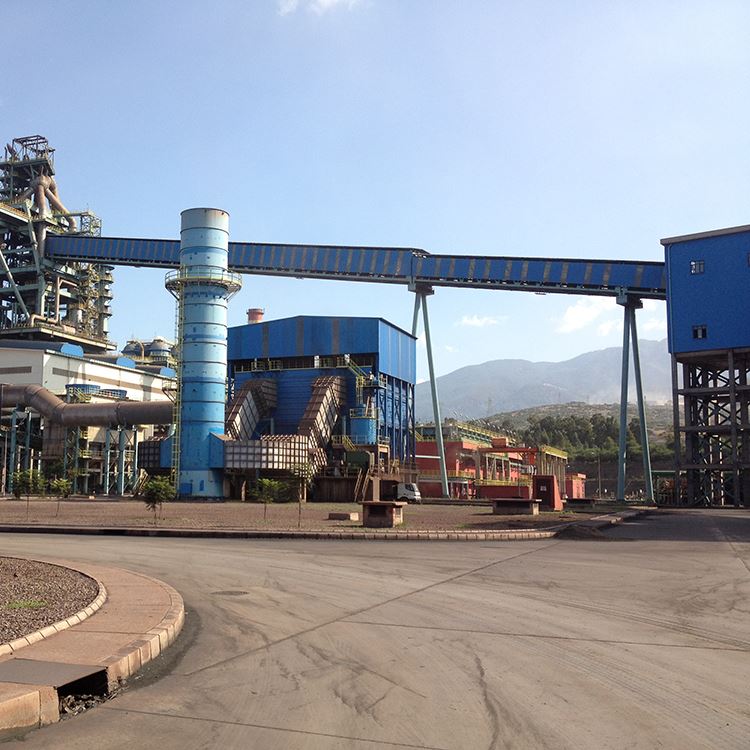
The system also improved the reliability and efficiency of the plant's equipment. The use of high - temperature resistant materials and anti - blockage design reduced the maintenance requirements and downtime of the dust - cleaning system. As a result, the plant was able to increase its production capacity and reduce its operating costs.
Conclusion
Handling high - temperature dust in sinter plants is a complex and challenging task. However, our Dust Cleaning System for Sinter Plants offers a comprehensive solution to this problem. With its high - temperature resistance materials, pre - cooling technology, and anti - blockage design, our system can effectively capture and remove high - temperature dust, ensuring environmental protection, equipment safety, and worker health.
If you are looking for a reliable and efficient dust - cleaning solution for your sinter plant, we invite you to contact us for more information and to discuss your specific requirements. Our team of experts is ready to provide you with customized solutions and professional support.
References
- "Dust Control in the Metallurgical Industry," Journal of Environmental Engineering, Vol. XX, Issue XX, 20XX.
- "High - Temperature Filtration Technologies for Industrial Applications," Proceedings of the International Conference on Filtration and Separation, 20XX.
- "Advanced Materials for High - Temperature Dust Cleaning Systems," Materials Science and Engineering Journal, Vol. XX, Issue XX, 20XX.