

Hey there! As a supplier of Dust Cleaning Systems for the Waste Incineration Industry, I'm super stoked to share with you how these bad - ass systems work. Waste incineration is a common way to deal with all sorts of waste, but it generates a ton of dust and harmful particles. That's where our dust cleaning systems come in handy.
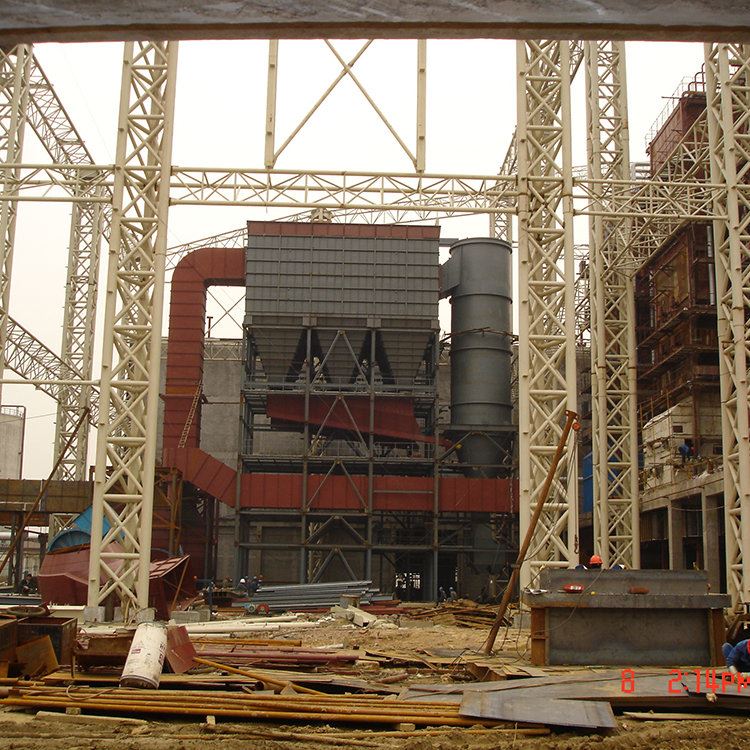

Let's first understand the basics of waste incineration. When waste is burned, it releases all kinds of exhaust gases. These gases contain not only heat but also a bunch of pollutants like dust, heavy metals, and acidic gases. If we just let these gases go into the atmosphere, it'll be a disaster for the environment and human health. That's why we need a good dust cleaning system.
The First Step: Collection
The first stage of our dust cleaning system is all about collecting the exhaust gases. After the waste is incinerated, the hot and dirty gases are channeled through a series of ducts. These ducts are designed to direct the gases towards the main cleaning unit. Think of it like a highway for the exhaust gases, guiding them to the place where they'll get a good scrub - down.
We've got different types of collection setups depending on the size and type of the waste incineration plant. For smaller plants, we might use a simple, compact duct system. But for larger industrial - scale plants, the duct network can be really complex, covering a large area to ensure that all the exhaust gases are captured effectively.
Cooling the Gases
Once the gases are collected, they're usually super hot. High - temperature gases can be a problem for the later stages of the cleaning process. So, we have a cooling mechanism in place. This can involve using water sprays or heat exchangers.
Water sprays are a simple and effective way to cool the gases. We spray a fine mist of water into the gas stream. The water absorbs the heat from the gases, and as it evaporates, it cools the gases down. Heat exchangers, on the other hand, work by transferring the heat from the hot gases to a cooler medium, like water or air. This not only cools the gases but can also recover some of the heat energy, which can be reused in other parts of the plant.
The Heart of the System: Filtration
Now, this is where the real magic happens - filtration. There are several types of filtration methods we use in our dust cleaning systems. One of the most common ones is bag filtration.
Bag filters are made up of a bunch of fabric bags. The exhaust gases pass through these bags, and the dust particles get trapped on the surface of the bags. Over time, as more and more dust accumulates on the bags, it forms a layer. This layer actually helps in further filtering the gases, acting as an additional barrier for smaller particles.
We also have to clean the bags periodically to prevent them from getting clogged. We do this by using a reverse - air or pulse - jet cleaning method. In the reverse - air method, we blow air in the opposite direction of the gas flow to dislodge the dust from the bags. The pulse - jet method uses short bursts of compressed air to shake the dust off.
Another filtration method we use is electrostatic precipitation. In an electrostatic precipitator, the exhaust gases pass through a chamber where they're exposed to a high - voltage electric field. This charges the dust particles, which then get attracted to oppositely - charged plates or electrodes. The dust accumulates on these plates, and we can remove it later.
Removing Acidic Gases
Apart from dust, the exhaust gases from waste incineration also contain acidic gases like sulfur dioxide and hydrochloric acid. To get rid of these, we use a process called gas scrubbing.
In a gas scrubber, the exhaust gases are brought into contact with a liquid solution, usually an alkaline solution like lime or sodium hydroxide. The acidic gases react with the alkaline solution and get neutralized. This not only removes the acidic gases but also helps in further reducing the dust content in the gases.
We've got different types of scrubbers, such as wet scrubbers and dry scrubbers. Wet scrubbers are more efficient in removing both dust and acidic gases. They use a liquid spray to capture the pollutants. Dry scrubbers, on the other hand, use a dry reagent that reacts with the acidic gases. They're a bit more environmentally friendly as they produce less wastewater.
Monitoring and Control
Throughout the entire dust cleaning process, we have a sophisticated monitoring and control system. This system keeps an eye on things like gas temperature, pressure, and the concentration of pollutants. It uses sensors placed at different points in the system to collect data.
If the system detects that the gas temperature is too high or the pollutant levels are above the acceptable limits, it can automatically adjust the various components of the cleaning system. For example, it might increase the water flow in the cooling stage or adjust the cleaning frequency of the bag filters.
Our Product Range
We offer a wide range of dust cleaning systems tailored to different needs. If you're dealing with biomass waste incineration, our Dust Cleaning System for Exhausted Gas Produced By Biomass is a great choice. It's designed to handle the unique characteristics of biomass - derived exhaust gases.
For general waste incineration, our Dust Cleaning System for Exhausted Gas Produced By Waste Incineration is highly efficient and reliable. And if you're in the business of hazardous waste incineration, our Dust Cleaning System for Exhausted Gas Produced By Hazardous Waste is specifically engineered to deal with the extra - tough pollutants generated from hazardous waste.
Why Choose Us?
We've been in the business for a long time, and we've built up a reputation for providing high - quality dust cleaning systems. Our systems are not only effective in removing pollutants but are also energy - efficient, which can save you a lot of money in the long run.
We also offer excellent after - sales service. Our team of experts is always on standby to help you with any issues or maintenance needs. Whether it's a small adjustment or a major repair, we've got you covered.
Let's Talk
If you're in the waste incineration industry and are looking for a top - notch dust cleaning system, don't hesitate to reach out. We're more than happy to have a chat with you about your specific requirements, and we can customize a solution that fits your needs perfectly. So, let's start this conversation and make your waste incineration plant cleaner and more environmentally friendly!
References
- Smith, J. (2020). Waste Incineration Technology and Pollution Control. GreenTech Publications.
- Johnson, A. (2019). Advanced Dust Cleaning Systems for Industrial Applications. Industrial Press.