

As a supplier of Dust Cleaning System for Raw Materials, I've witnessed firsthand the critical role these systems play in various industries. In this blog, I'll delve into how these systems collect and dispose of dust, highlighting their significance and the technologies involved.
The Importance of Dust Cleaning in Raw Material Handling
In industries where raw materials are processed, dust generation is an inevitable by - product. Whether it's in mining, metallurgy, or cement production, the presence of dust can pose numerous problems. From a health perspective, inhaling dust particles can lead to respiratory diseases for workers. Moreover, dust can contaminate the surrounding environment, causing pollution and potentially violating environmental regulations. In addition, excessive dust in the workplace can also damage equipment, leading to increased maintenance costs and reduced operational efficiency.
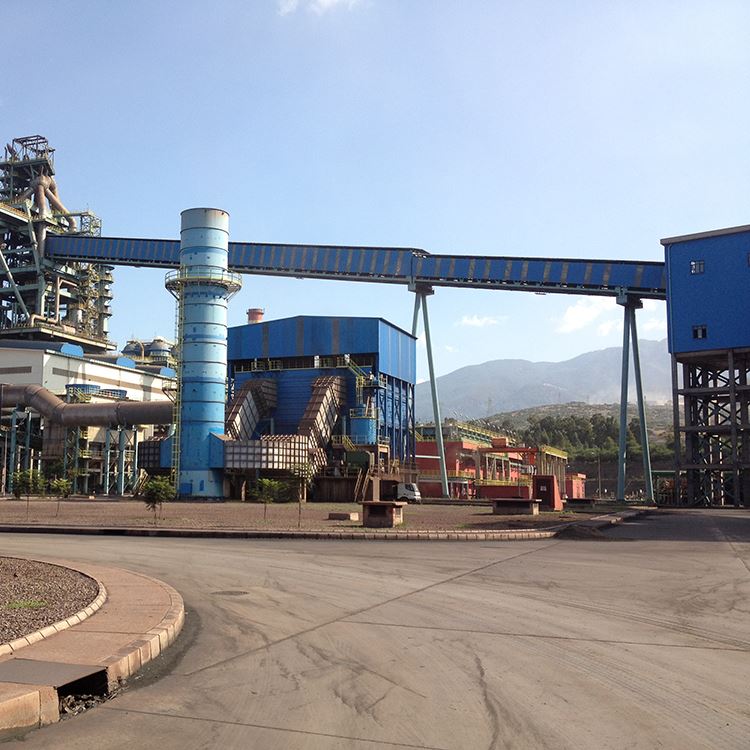
Our Dust Cleaning System for Raw Materials Dust Cleaning System for Raw Materials is designed to address these issues. By effectively collecting and disposing of dust, we help our clients create a safer, cleaner, and more efficient working environment.
Dust Collection Mechanisms
1. Inertial Separators
Inertial separators are one of the most basic yet effective methods of dust collection. These devices use the principle of inertia to separate dust particles from the air. When the dusty air enters the inertial separator, it is forced to change direction suddenly. Due to their inertia, the heavier dust particles continue moving in their original direction and are collected in a hopper at the bottom of the separator. This method is particularly useful for removing large - sized dust particles.
2. Bag Filters
Bag filters are widely used in dust cleaning systems. They consist of a series of fabric bags that act as filters. When the dusty air passes through the bags, the dust particles are trapped on the surface of the bags, while the clean air passes through. Periodically, the bags are cleaned to remove the accumulated dust. This can be done through methods such as reverse air cleaning or pulse - jet cleaning. Bag filters are highly efficient in collecting fine dust particles and can achieve high collection efficiencies.
3. Electrostatic Precipitators
Electrostatic precipitators work on the principle of electrostatic attraction. The dusty air is passed through an area where the dust particles are charged by an electric field. These charged particles are then attracted to collection plates with the opposite charge. Once the dust accumulates on the plates, it is removed by rapping the plates or using other mechanical methods. Electrostatic precipitators are suitable for handling large volumes of gas and can be very effective in collecting fine dust particles, especially in high - temperature applications.
4. Cyclone Separators
Cyclone separators are another common type of dust collection device. They use centrifugal force to separate dust particles from the air. The dusty air enters the cyclone separator tangentially, creating a swirling motion. The centrifugal force throws the dust particles towards the outer wall of the cyclone, where they fall into a collection hopper at the bottom. Cyclone separators are relatively simple in design and are effective for removing medium - sized dust particles.
Dust Disposal Methods
1. Recycling
In some cases, the collected dust can be recycled. For example, in the metallurgical industry, the dust collected from raw material processing may contain valuable metals. By recycling the dust, these metals can be recovered and reused, reducing waste and saving resources. Our Dust Cleaning System for Raw Materials is designed to facilitate the recycling process by ensuring that the collected dust is of a suitable quality for further processing.

2. Landfill
When recycling is not feasible, landfill disposal is an option. However, before disposing of the dust in a landfill, it is important to ensure that it meets the environmental requirements. The dust may need to be treated to reduce its potential environmental impact, such as by stabilizing it to prevent leaching of harmful substances.
3. Incineration
Incineration is another method of dust disposal. Some types of dust, such as those containing organic matter, can be incinerated to reduce their volume and eliminate potential contaminants. However, incineration requires careful control to ensure that no harmful pollutants are released into the atmosphere. Our systems are designed to work in conjunction with proper incineration processes to minimize environmental impact.
Integration with Other Systems
Our Dust Cleaning System for Raw Materials can be integrated with other dust cleaning systems in the industry, such as the Dust Cleaning System for Blast Furnaces and Dust Cleaning System for Coke Ovens. This integration allows for a comprehensive dust management solution in the entire production process. For example, the dust collected from raw material handling can be further processed and disposed of in a coordinated manner with the dust from blast furnaces and coke ovens, ensuring a more efficient and environmentally friendly operation.
Conclusion
In conclusion, a well - designed Dust Cleaning System for Raw Materials is essential for industries that deal with raw material processing. By effectively collecting and disposing of dust, these systems not only protect the health of workers and the environment but also improve operational efficiency. Our company offers a range of advanced dust cleaning solutions that are tailored to the specific needs of our clients.
If you are interested in our Dust Cleaning System for Raw Materials or have any questions about dust collection and disposal, we invite you to contact us for a detailed discussion. We are committed to providing you with the best - in - class solutions and helping you achieve your dust management goals.
References
- Perry, R. H., & Green, D. W. (Eds.). (2007). Perry's Chemical Engineers' Handbook. McGraw - Hill.
- American Conference of Governmental Industrial Hygienists (ACGIH). (2019). Threshold Limit Values for Chemical Substances and Physical Agents and Biological Exposure Indices. ACGIH.
- USEPA. (2020). Control Techniques for Particulate Emissions. United States Environmental Protection Agency.