

How does a dust cleaning system for induction furnaces work in a multi - furnace setup?
As a supplier of Dust Cleaning System for Induction Furnaces, I've witnessed firsthand the importance and complexity of these systems, especially in a multi - furnace setup. In this blog, I'll delve into the inner workings of such systems, highlighting their significance and the key factors involved in their operation.
The Basics of Induction Furnaces and Dust Generation
Induction furnaces are widely used in the metallurgical industry for melting and refining metals. They operate on the principle of electromagnetic induction, where an alternating current is passed through a coil to create a magnetic field. This magnetic field induces eddy currents in the metal charge, generating heat and causing the metal to melt.
During the melting process, various dust and fumes are generated. These include metal oxides, volatile metals, and other particulate matter. In a multi - furnace setup, where multiple induction furnaces are operating simultaneously, the volume of dust and fumes can be substantial. If not properly managed, these pollutants can pose significant health risks to workers, damage equipment, and lead to environmental pollution.
Components of a Dust Cleaning System for Induction Furnaces
A typical dust cleaning system for induction furnaces in a multi - furnace setup consists of several key components:
-
Hoods and Capture Devices: These are designed to capture the dust and fumes at the source. In a multi - furnace environment, strategically placed hoods are crucial. They can be fixed or movable, depending on the furnace design and operation. For example, some hoods are installed directly above the furnace to capture the rising fumes, while others may be designed to enclose the entire furnace area for better capture efficiency.
-
Ductwork: Once the dust and fumes are captured, they are transported through a network of ductwork to the main cleaning unit. The ductwork must be properly sized and designed to ensure efficient airflow. In a multi - furnace setup, the ductwork may need to be more complex to accommodate the different sources of dust and fumes. It should also be equipped with dampers to control the airflow and balance the system.
-
Dust Collectors: This is the heart of the dust cleaning system. There are several types of dust collectors available, such as baghouses, cyclones, and electrostatic precipitators. Baghouses are commonly used in induction furnace applications. They work by passing the dusty air through a series of filter bags, which trap the dust particles. The collected dust is then removed from the bags either by mechanical shaking or reverse air flow.
-
Fans and Blowers: These are used to create the necessary airflow to transport the dust and fumes through the system. In a multi - furnace setup, the fans and blowers must be sized appropriately to handle the combined volume of air from all the furnaces. They also need to be energy - efficient to reduce operating costs.
-
Control System: A sophisticated control system is essential to monitor and regulate the operation of the dust cleaning system. It can adjust the airflow, control the cleaning cycle of the dust collectors, and provide real - time feedback on the system performance. In a multi - furnace environment, the control system can also be used to prioritize the cleaning of different furnaces based on their operating status.
Working Principles in a Multi - Furnace Setup
The operation of a dust cleaning system in a multi - furnace setup can be divided into several stages:
-
Capture Stage: When the induction furnaces are in operation, the hoods and capture devices start to collect the dust and fumes. The fans and blowers create a negative pressure in the hoods, which draws the pollutants into the ductwork. In a multi - furnace setup, the capture efficiency is critical. The system must be designed to ensure that all the dust and fumes from each furnace are effectively captured, even when multiple furnaces are operating simultaneously.
-
Transport Stage: The captured dust and fumes are then transported through the ductwork to the dust collector. The ductwork is designed to minimize pressure losses and prevent the accumulation of dust. In a multi - furnace system, the airflow in the ductwork needs to be carefully balanced to ensure that each furnace's pollutants are evenly distributed and efficiently transported to the cleaning unit.
-
Cleaning Stage: Once the dusty air reaches the dust collector, the cleaning process begins. In a baghouse, for example, the dust particles are trapped on the surface of the filter bags. As the dust accumulates, the pressure drop across the bags increases. When the pressure drop reaches a certain level, the control system initiates the cleaning cycle. This can involve mechanical shaking or reverse air flow to dislodge the dust from the bags and collect it in a hopper.
-
Discharge Stage: After the dust is removed from the filter bags, it is discharged from the dust collector into a storage container or a disposal system. The clean air is then released back into the environment or recirculated within the facility, depending on the air quality requirements.
Challenges and Solutions in a Multi - Furnace Setup
Operating a dust cleaning system in a multi - furnace setup presents several challenges:
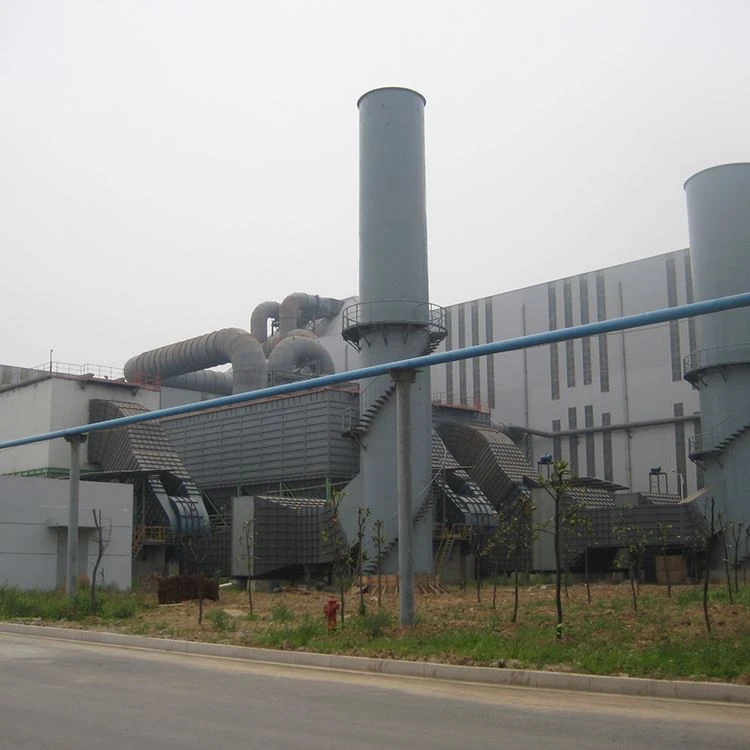

-
Airflow Balancing: Ensuring proper airflow distribution among multiple furnaces can be difficult. Uneven airflow can lead to poor capture efficiency and increased energy consumption. To address this issue, advanced airflow control systems and dampers can be used to adjust the airflow in each branch of the ductwork.
-
Maintenance and Monitoring: With multiple furnaces and a complex dust cleaning system, maintenance and monitoring become more challenging. Regular inspections, filter replacements, and equipment servicing are essential to ensure the system's reliable operation. Remote monitoring systems can be installed to provide real - time data on the system performance, allowing for timely maintenance and troubleshooting.
-
Cost Management: Operating a dust cleaning system in a multi - furnace setup can be costly, especially in terms of energy consumption and filter replacement. To reduce costs, energy - efficient fans and blowers can be used, and the filter replacement schedule can be optimized based on the actual dust load.
Conclusion
A well - designed and properly operated dust cleaning system for induction furnaces in a multi - furnace setup is essential for maintaining a safe and clean working environment, protecting equipment, and complying with environmental regulations. As a supplier of Dust Cleaning System for Induction Furnaces, we understand the unique challenges and requirements of such systems. Our solutions are tailored to meet the specific needs of each customer, ensuring optimal performance and cost - effectiveness.
If you are interested in learning more about our dust cleaning systems for induction furnaces, or if you have a multi - furnace setup that requires a reliable dust management solution, we invite you to contact us for a detailed consultation. We also offer related products such as Dust Cleaning System for Coke Ovens and Dust Cleaning System for EAFs. Let's work together to create a cleaner and safer industrial environment.
References
- Smith, J. (2020). Industrial Dust Collection Systems: Principles and Practices. Publisher X.
- Johnson, R. (2019). Air Pollution Control in the Metallurgical Industry. Journal of Environmental Engineering, Vol. 25, Issue 3.
- Brown, A. (2018). Induction Furnace Technology and Applications. Book Y.