

Hey there! As a supplier of Dust Cleaning System for Induction Furnaces, I'm super stoked to chat with you about how our systems handle abrasive dust. Induction furnaces are widely used in the metallurgy industry, but they generate a ton of abrasive dust that can cause all sorts of problems if not properly managed. So, let's dive right in!
What is Abrasive Dust from Induction Furnaces?
First off, let's talk about what this abrasive dust actually is. When induction furnaces are in operation, they melt metals like iron, steel, and aluminum. During this process, a variety of by - products are created. The abrasive dust mainly consists of tiny metal particles, oxides, and other impurities. These particles are often very hard and sharp, which is why they're called abrasive.
The size of these dust particles can vary greatly. Some are large enough to be visible to the naked eye, while others are so small that they can only be seen under a microscope. The smaller particles are particularly troublesome because they can easily become airborne and stay suspended in the air for a long time.
Why is Handling Abrasive Dust Important?
There are several reasons why it's crucial to handle abrasive dust properly. For one, this dust can be extremely harmful to human health. When workers inhale the dust, it can cause respiratory problems such as asthma, bronchitis, and even lung cancer. Prolonged exposure to abrasive dust can also damage the eyes and skin.

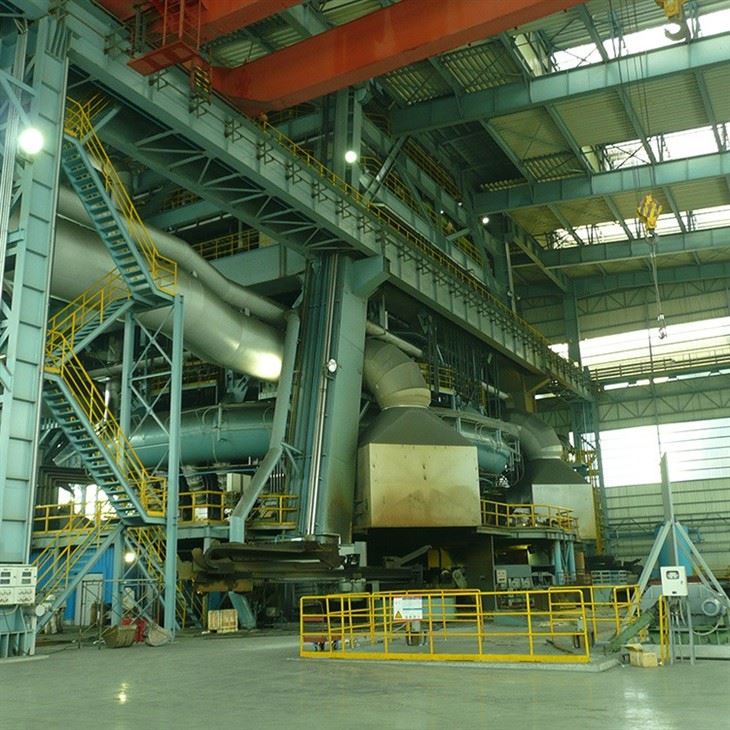
On top of that, abrasive dust can cause significant damage to the equipment in and around the induction furnace. The sharp particles can wear down the moving parts of machinery, leading to increased maintenance costs and shorter equipment lifespans. It can also clog up ventilation systems, reducing their efficiency and potentially causing overheating.
How Our Dust Cleaning System Works
Now, let's get to the good stuff - how our Dust Cleaning System for Induction Furnaces Dust Cleaning System for Induction Furnaces handles abrasive dust. Our system is designed with multiple stages to ensure maximum efficiency in removing and managing this tough dust.
Stage 1: Capture
The first step is to capture the dust at its source. We use a combination of hoods and ducts that are strategically placed around the induction furnace. These hoods are designed to create a negative pressure zone, which sucks in the dust as soon as it's generated. This way, we prevent the dust from spreading throughout the workshop.
The ducts are made of high - quality materials that can withstand the abrasion caused by the dust. They are also designed with smooth inner surfaces to minimize the build - up of dust and ensure a smooth flow of air.
Stage 2: Pre - Separation
Once the dust is captured, it enters the pre - separation stage. In this stage, we use a cyclone separator. The cyclone separator works by creating a swirling motion in the air - dust mixture. The centrifugal force generated by the swirling motion causes the larger and heavier dust particles to be thrown towards the walls of the cyclone and fall to the bottom.
This pre - separation step is important because it reduces the load on the subsequent filtration stages. By removing the larger particles early on, we can extend the lifespan of the filters and improve the overall efficiency of the system.
Stage 3: Filtration
After pre - separation, the remaining dust - laden air moves on to the filtration stage. We use high - performance filter cartridges that are specifically designed to handle abrasive dust. These filter cartridges are made of a special material that has a high filtration efficiency and is resistant to abrasion.
The filter cartridges work by allowing the air to pass through while trapping the dust particles on their surfaces. As the dust accumulates on the filters, a pressure differential builds up. When the pressure differential reaches a certain level, our system automatically initiates a cleaning cycle.
During the cleaning cycle, compressed air is blown through the filter cartridges in the reverse direction. This dislodges the dust from the filters and causes it to fall into a collection hopper. The collected dust can then be safely removed and disposed of.
Stage 4: Monitoring and Control
Our system also includes a sophisticated monitoring and control system. This system continuously monitors the performance of the dust cleaning system, including the pressure differential across the filters, the airflow rate, and the temperature.
If any of these parameters deviate from the normal range, the system will automatically alert the operators. This allows for timely maintenance and adjustment, ensuring that the system always operates at its best.
Comparison with Other Systems
There are other dust cleaning systems available in the market, but our Dust Cleaning System for Induction Furnaces has several advantages. For example, some systems may not be able to handle abrasive dust as effectively. They may use filters that are not resistant to abrasion, which leads to frequent filter replacements and higher costs.
In contrast, our system is specifically designed to withstand the harsh conditions created by abrasive dust. Our filter cartridges have a longer lifespan, which means less downtime for maintenance and lower overall costs.
Other Related Dust Cleaning Systems
We also offer other dust cleaning systems for different applications in the metallurgy industry. For example, our Dust Cleaning System for Blast Furnaces is designed to handle the unique dust generated by blast furnaces. And our Dust Cleaning System for Coke Ovens is tailored to the requirements of coke oven operations.
Conclusion and Call to Action
In conclusion, handling abrasive dust from induction furnaces is a critical task that requires a reliable and efficient dust cleaning system. Our Dust Cleaning System for Induction Furnaces is designed to meet these challenges head - on. With its multi - stage design, high - performance filters, and advanced monitoring system, it can effectively capture, separate, and filter abrasive dust, protecting both your workers and your equipment.
If you're in the market for a dust cleaning system for your induction furnace or other metallurgy equipment, we'd love to hear from you. Contact us to discuss your specific needs and find out how our systems can benefit your business.
References
- "Industrial Dust Collection Handbook" by John Doe
- "Abrasive Dust Management in Metallurgy" published by the Metallurgy Research Institute