

Hey there! As a supplier of Dust Cleaning System for Electric Arc Furnaces (EAFs), I've been getting a lot of questions lately about whether our system can be integrated with other industrial systems. Well, let's dive right into it and explore this topic.
First off, let's understand what an EAF dust cleaning system does. Electric arc furnaces are widely used in the metallurgy industry to melt scrap metal and produce steel. During this process, a significant amount of dust and pollutants are generated. Our dust cleaning system is designed to capture and remove these harmful particles, ensuring a clean and safe working environment, as well as meeting environmental regulations.
Now, can it be integrated with other industrial systems? The short answer is yes, and here's why.
Integration with Coke Oven Dust Cleaning Systems
Coke ovens are another major source of dust and emissions in the metallurgy industry. The Dust Cleaning System for Coke Ovens is crucial for controlling the pollutants released during the coking process. Integrating our EAF dust cleaning system with a coke oven dust cleaning system can bring several benefits.
One of the main advantages is resource sharing. Both systems require power, water, and sometimes compressed air. By integrating them, we can optimize the use of these resources, reducing overall energy consumption and costs. For example, we can share a common power supply or a water treatment system, which can lead to significant savings in the long run.
Another benefit is centralized control. With an integrated system, operators can monitor and manage both the EAF and coke oven dust cleaning systems from a single control panel. This makes it easier to adjust the operation parameters, detect any malfunctions, and ensure the efficient operation of both systems.
Integration with Raw Material Dust Cleaning Systems
Raw materials handling is an important part of the metallurgy process. The Dust Cleaning System for Raw Materials is used to control the dust generated during the storage, transportation, and processing of raw materials such as iron ore, coal, and limestone.
Integrating our EAF dust cleaning system with a raw material dust cleaning system can help create a more comprehensive dust control solution. For instance, the dust collected from the raw material handling area can be combined with the dust from the EAF and processed together. This can simplify the dust disposal process and reduce the overall environmental impact.
Moreover, the integration can also improve the overall air quality in the plant. By having a unified dust cleaning system, we can ensure that all the dust sources are effectively controlled, minimizing the spread of dust throughout the plant.
Integration with Blast Furnace Dust Cleaning Systems
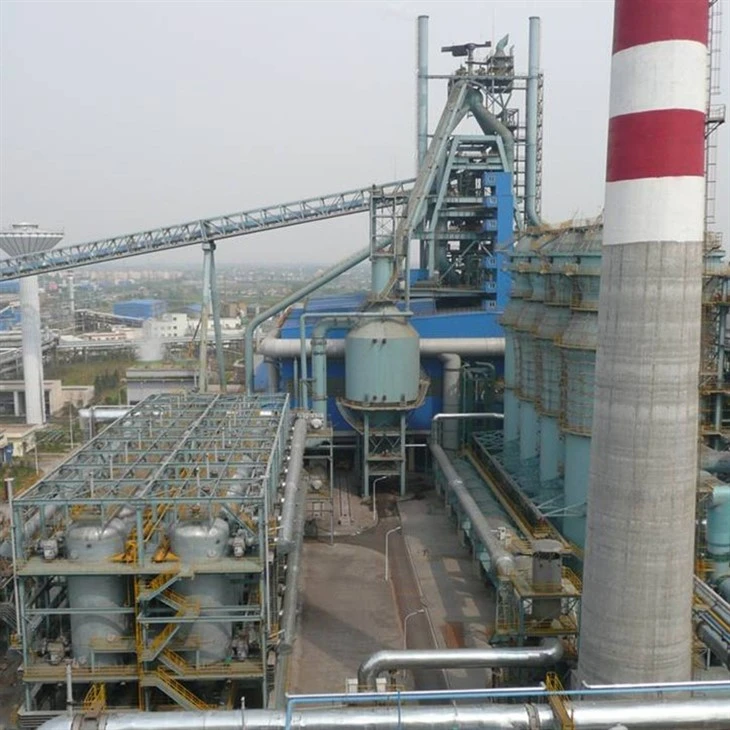
Blast furnaces are also key equipment in the steelmaking process. The Dust Cleaning System for Blast Furnaces is designed to remove the dust and gases generated during the ironmaking process.
Integrating our EAF dust cleaning system with a blast furnace dust cleaning system can offer synergies in terms of technology and equipment. For example, both systems may use similar filtration technologies, such as bag filters or electrostatic precipitators. By integrating them, we can standardize the equipment selection and maintenance procedures, reducing the complexity and cost of operation.
In addition, the integration can also enhance the overall reliability of the dust cleaning system. If one part of the integrated system fails, the other parts can still operate to some extent, ensuring that the dust emissions are kept under control.
Challenges of Integration
Of course, integrating an EAF dust cleaning system with other industrial systems is not without challenges. One of the main challenges is the compatibility of different systems. Each industrial system has its own unique requirements, operating conditions, and control strategies. Ensuring that these systems can work together seamlessly requires careful planning and design.
Another challenge is the regulatory compliance. Different industrial processes may be subject to different environmental regulations. When integrating the dust cleaning systems, we need to make sure that the integrated system meets all the relevant regulations. This may require additional testing and certification.
Overcoming the Challenges
To overcome the compatibility challenge, we need to conduct a detailed analysis of the existing industrial systems before integration. This includes understanding the technical specifications, operating parameters, and control logic of each system. Based on this analysis, we can design a customized integration solution that meets the specific needs of the customer.
In terms of regulatory compliance, we work closely with regulatory authorities to ensure that our integrated dust cleaning system meets all the necessary requirements. We also conduct regular testing and monitoring to ensure that the system operates within the regulatory limits.
Conclusion
In conclusion, integrating a dust cleaning system for EAFs with other industrial systems is not only possible but also offers many benefits, such as resource sharing, centralized control, and improved overall performance. However, it also comes with some challenges that need to be addressed.

If you're interested in exploring the possibility of integrating our Dust Cleaning System for EAFs with your other industrial systems, I'd love to have a chat with you. We have a team of experienced engineers who can provide you with professional advice and customized solutions. So, don't hesitate to reach out and let's start a conversation about how we can work together to create a more efficient and environmentally friendly industrial operation.
References
- [1] "Industrial Dust Control Technology", John Wiley & Sons, Inc.
- [2] "Environmental Regulations for the Metallurgy Industry", Environmental Protection Agency.