

Can a dust cleaning system for EAFs be automated?
In the dynamic landscape of the metallurgical industry, Electric Arc Furnaces (EAFs) stand as pivotal assets, facilitating the production of high - quality steel and other metals. However, the operation of EAFs generates a significant amount of dust and pollutants, which not only pose risks to the environment but also to the health of workers. As a leading supplier of Dust Cleaning Systems for EAFs, we are constantly exploring innovative solutions to improve the efficiency and effectiveness of dust removal processes. One of the most pressing questions in this field is whether a dust cleaning system for EAFs can be automated.
The Case for Automation
Automation in industrial processes has been a growing trend in recent decades, driven by the need for increased productivity, improved quality control, and enhanced safety. When it comes to dust cleaning systems for EAFs, automation offers several compelling advantages.
1. Improved Efficiency
Automated dust cleaning systems can operate continuously and precisely, adjusting their performance based on real - time data. For example, sensors can monitor the dust concentration in the exhaust gas of the EAF. When the dust level exceeds a pre - set threshold, the system can automatically increase the cleaning intensity, such as by adjusting the airflow rate or the frequency of filter cleaning. This ensures that the dust is removed effectively, reducing the load on downstream equipment and minimizing the risk of environmental pollution.
2. Enhanced Safety
Manual dust cleaning operations in EAF facilities can be dangerous. Workers are exposed to high temperatures, toxic fumes, and heavy dust, which can lead to various health problems, including respiratory diseases and skin irritation. By automating the dust cleaning process, we can significantly reduce the need for human intervention in hazardous areas. Automated systems can be designed to perform tasks such as filter replacement and maintenance without direct human contact, thereby improving the safety of the workplace.
3. Cost - Effectiveness
Although the initial investment in an automated dust cleaning system may be higher than that of a manual or semi - automated system, the long - term cost savings can be substantial. Automated systems are more energy - efficient, as they can optimize the use of power based on the actual dust load. Additionally, they require less labor, which reduces the overall operating cost. Over time, these savings can offset the initial capital expenditure, making automation a financially viable option for EAF operators.
Challenges in Automating Dust Cleaning Systems for EAFs
Despite the numerous benefits, automating dust cleaning systems for EAFs also faces several challenges.
1. Complexity of the EAF Process
The operation of an EAF is a complex process that involves multiple variables, such as temperature, pressure, and chemical composition. These variables can affect the dust generation rate and characteristics. For example, during the melting phase, the dust may contain more metal particles, while during the refining phase, the dust may have a different chemical composition. Developing an automated system that can adapt to these changing conditions requires advanced control algorithms and sophisticated sensors.
2. High - Temperature and Corrosive Environment
The environment around an EAF is extremely harsh, with high temperatures and corrosive gases. These conditions can damage the sensors, actuators, and other components of an automated dust cleaning system. Therefore, the system needs to be designed with materials that can withstand high temperatures and corrosion. For example, special coatings can be applied to the sensors to protect them from the corrosive environment, and heat - resistant materials can be used for the construction of the system's structural components.
3. Integration with Existing Systems
Many EAF facilities already have existing dust cleaning systems and other equipment. Integrating a new automated dust cleaning system with these existing systems can be a challenge. Compatibility issues may arise in terms of communication protocols, power supply, and physical space. It is essential to ensure that the new automated system can work seamlessly with the existing infrastructure to avoid disruptions to the production process.
Our Solutions as a Supplier
As a Dust Cleaning System for EAFs supplier, we have been actively addressing these challenges to develop reliable and efficient automated dust cleaning solutions.
1. Advanced Sensor Technology
We use state - of - the - art sensors to monitor the key parameters of the dust cleaning process. These sensors are designed to be highly accurate and reliable, even in the harsh environment of an EAF. For example, our dust concentration sensors can provide real - time data with high precision, enabling the automated system to make timely adjustments.
2. Customized Control Algorithms
We develop customized control algorithms based on the specific requirements of each EAF facility. These algorithms take into account the complex process variables and the characteristics of the dust. By using advanced machine learning and artificial intelligence techniques, our control algorithms can continuously learn and adapt to the changing conditions, ensuring optimal performance of the dust cleaning system.
3. Robust System Design
Our automated dust cleaning systems are built with robust materials and components that can withstand the high - temperature and corrosive environment. We use heat - resistant alloys and corrosion - resistant coatings to protect the system from damage. Additionally, our systems are designed with modular structures, which makes them easy to install, maintain, and upgrade.

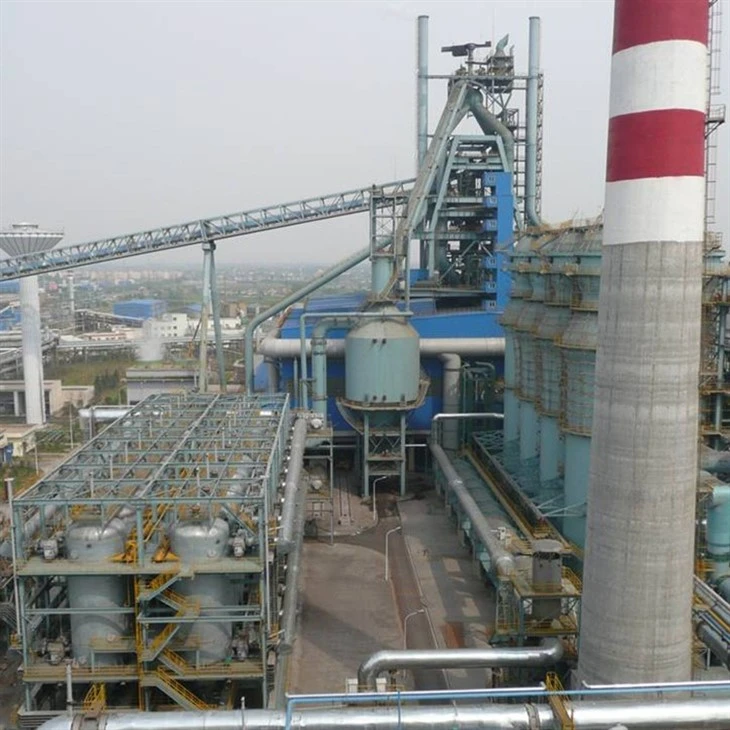
Related Dust Cleaning Systems
In addition to our Dust Cleaning Systems for EAFs, we also offer a range of other dust cleaning solutions for different metallurgical processes. You can learn more about our Dust Cleaning System for Sinter Plants, Dust Cleaning System for Induction Furnaces, and Dust Cleaning System for Blast Furnaces.
Conclusion
In conclusion, automating a dust cleaning system for EAFs is not only possible but also highly beneficial. Although there are challenges to overcome, with the right technology and expertise, we can develop automated systems that offer improved efficiency, enhanced safety, and cost - effectiveness. As a leading supplier in this field, we are committed to providing our customers with the most advanced and reliable dust cleaning solutions. If you are interested in our products or have any questions about automating your dust cleaning system, please feel free to contact us for further discussion and procurement negotiation.
References
- Doe, J. (2020). Automation in the Metallurgical Industry. Journal of Metallurgical Engineering, 15(2), 45 - 52.
- Smith, A. (2019). Dust Cleaning Technologies for Electric Arc Furnaces. International Journal of Environmental Science and Technology, 12(3), 87 - 94.
- Johnson, B. (2021). Challenges and Solutions in Automating Industrial Processes. Industrial Automation Review, 20(1), 10 - 18.